01
Deeper, Truer Color
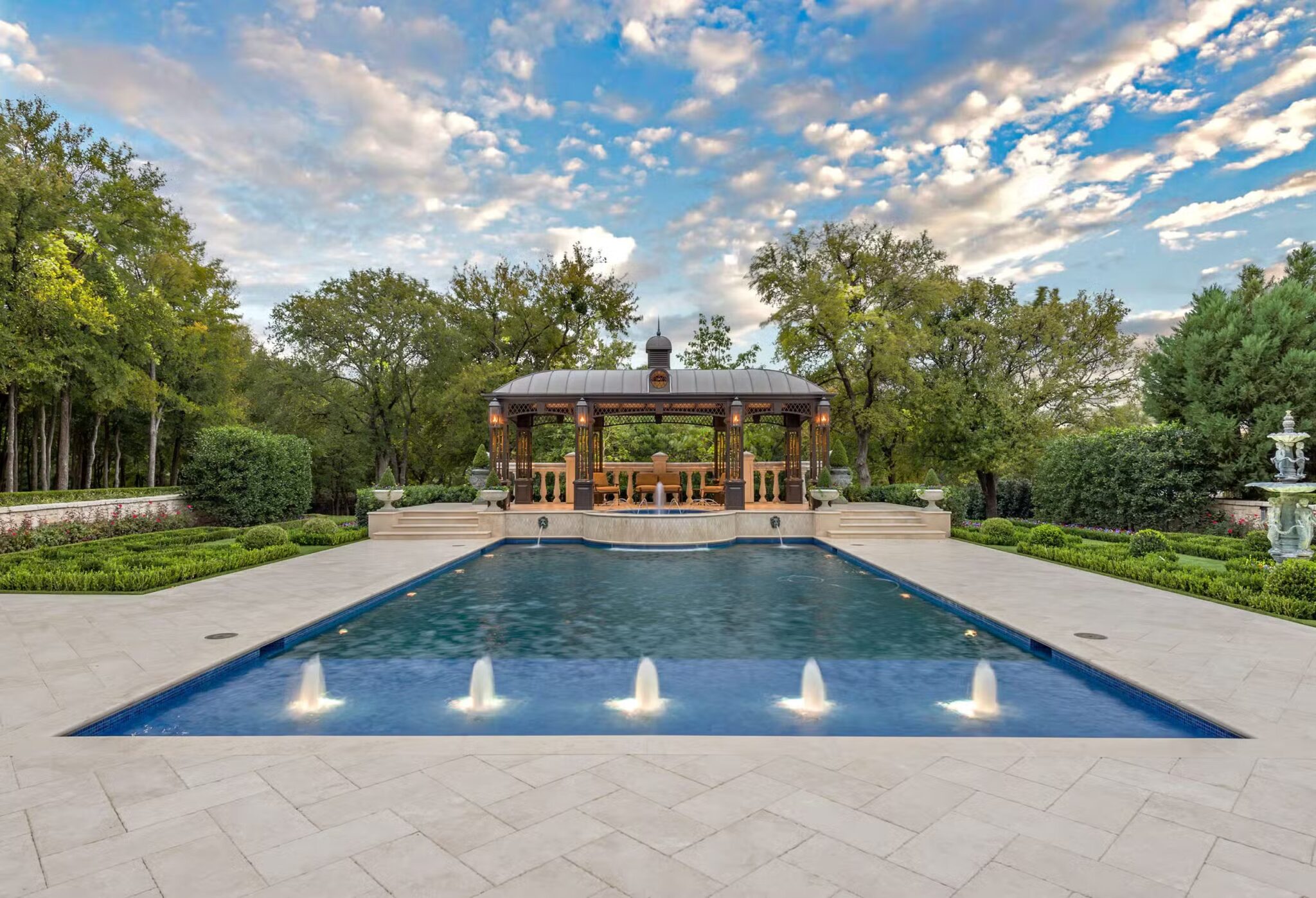
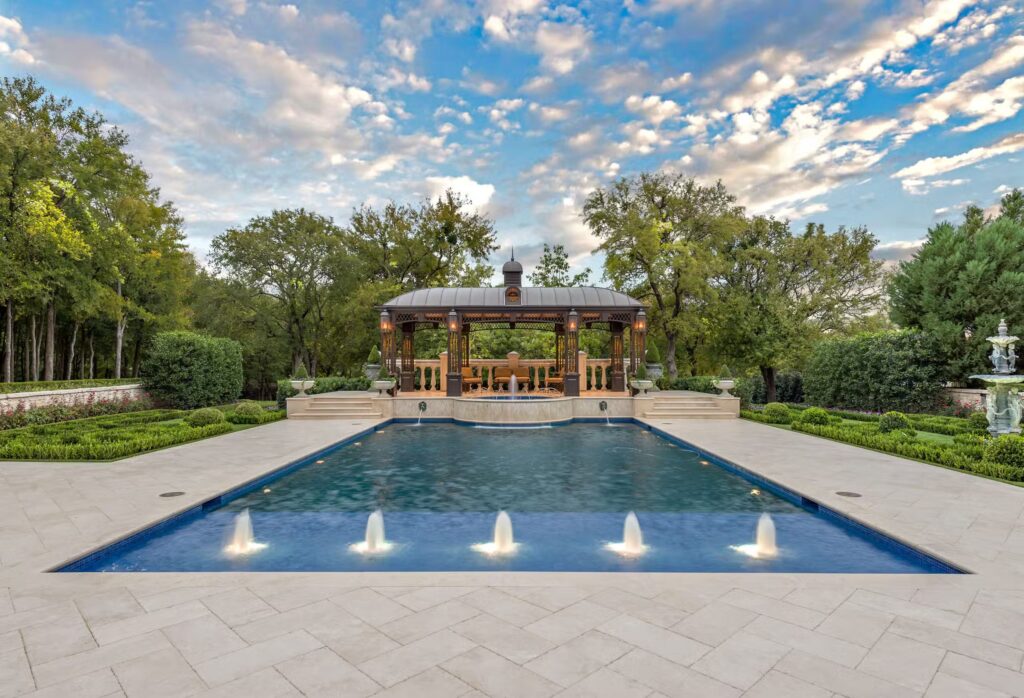
Sealing brings back the depth a surface had the day it was laid. Tones read richer, pattern and inlay stand out again, and the natural character of the material comes forward.
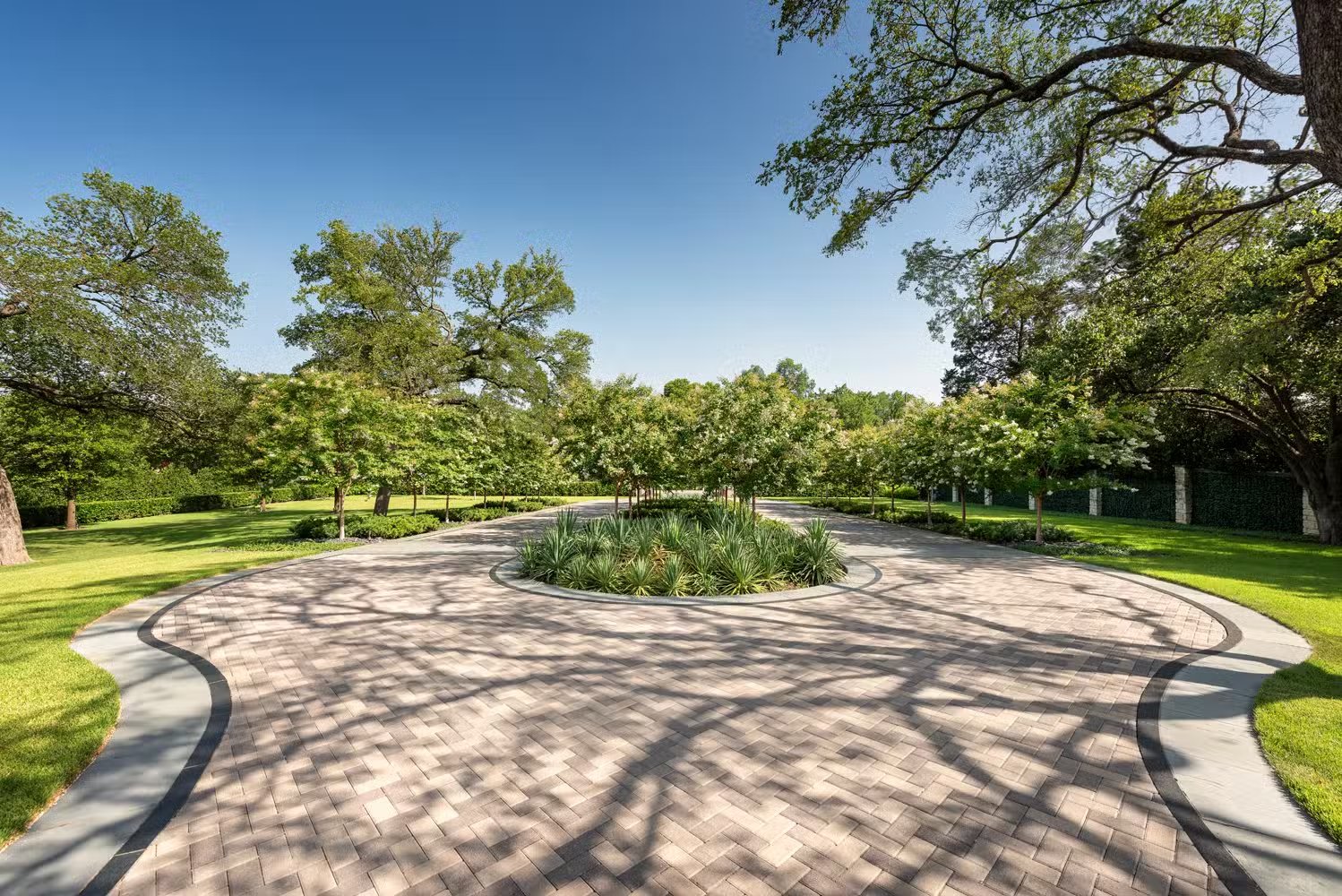
Citrus PaversTampa, Florida
A protective finish that deepens color and guards your stonework against wear, fading and stains.
Sealing
Paver sealing is a protective treatment applied to pavers, natural stone and other hardscape surfaces. It enriches their color and shields them from wear and staining. Citrus Pavers seals driveways, pool decks, patios and walkways in Tampa, Florida.
Unsealed stone is porous. It takes in whatever lands on it, and the sun slowly draws its color out. A sealer closes that door, and it does so without changing what made you choose the material.
What Sealing Does
01
Sealing brings back the depth a surface had the day it was laid. Tones read richer, pattern and inlay stand out again, and the natural character of the material comes forward.

02
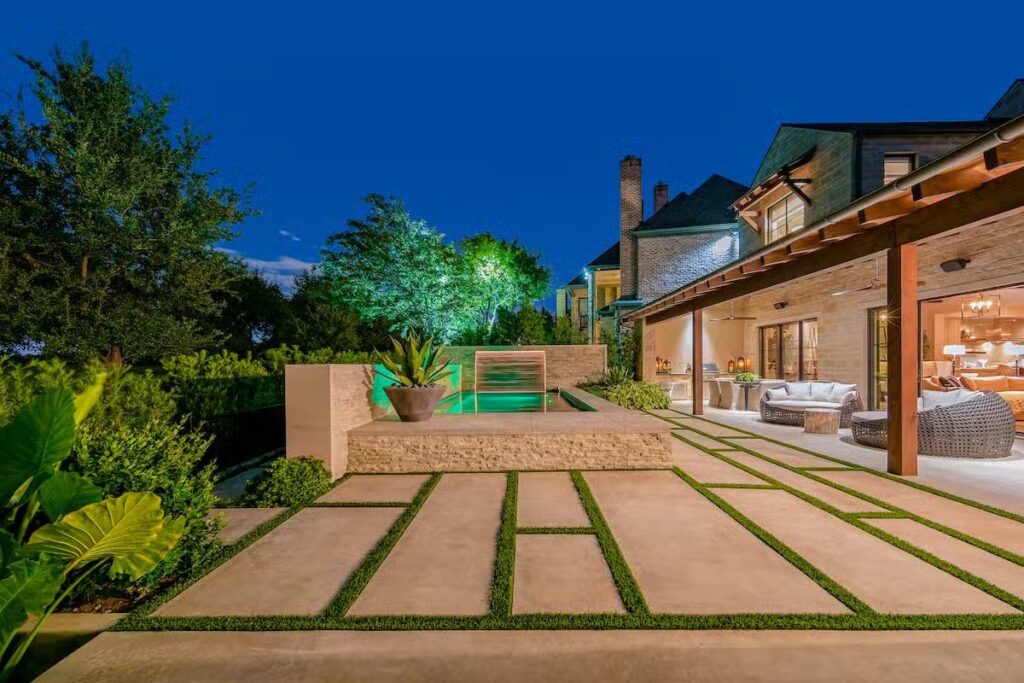
A sealed surface resists the things that mark stone: oil on a driveway, leaves and rust on a walk, sunscreen and pool water on a deck. Spills stay on top long enough to be cleaned away, and daily traffic wears the sealer before it wears the stone.
03
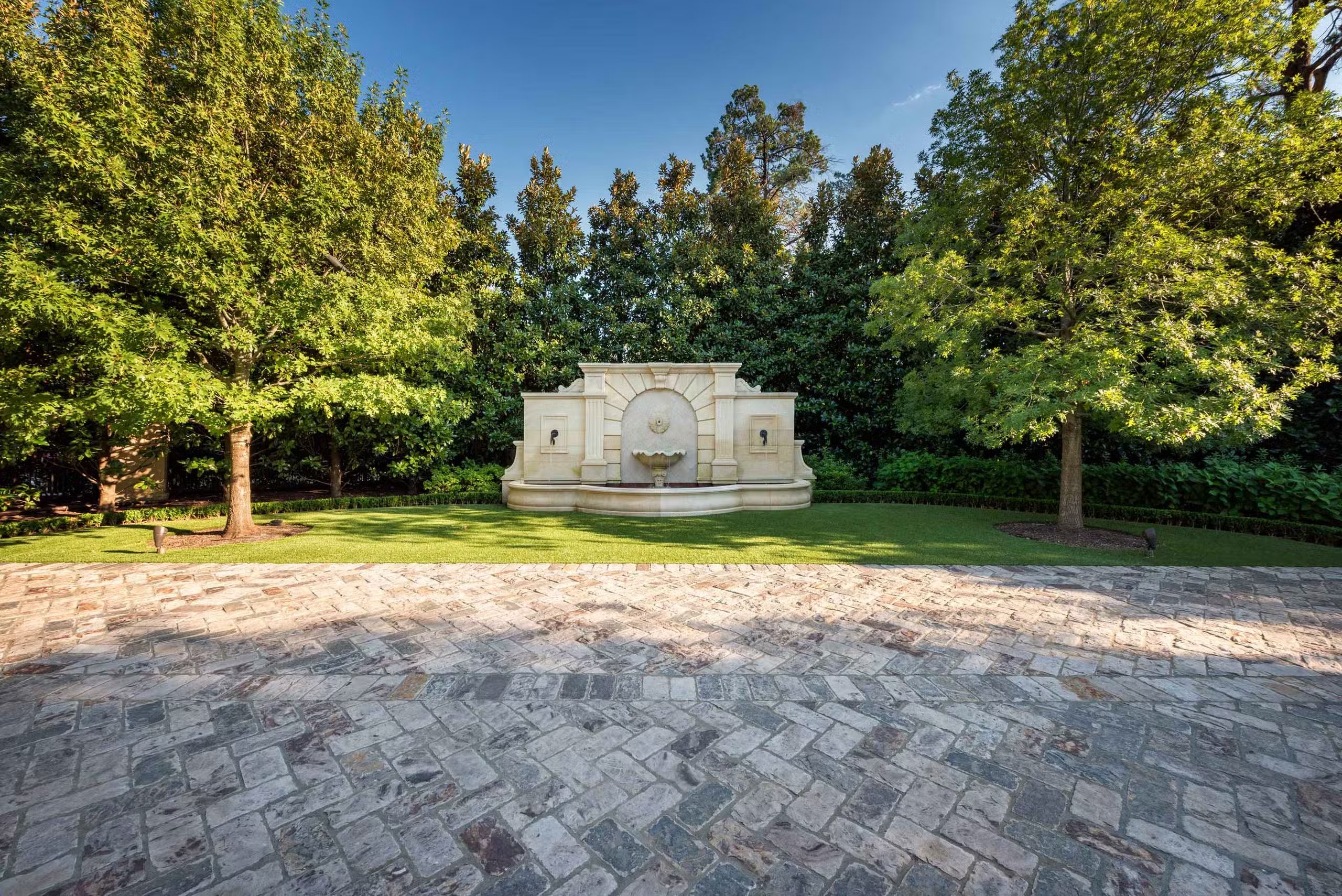
Sealer helps hold the sand in the joints, and those joints are what lock pavers together. Stable joints resist washout and discourage weeds and ants, which extends the life of the hardscape as a whole.

Color, preserved.
Stone, protected.
How It Is Done
Most of the work happens before the sealer is opened.
We check the surface, the joints and any earlier sealer, and note stains that need treatment.
The surface is pressure washed to lift dirt, mildew and buildup, so nothing is trapped beneath the finish.
Joints are refilled with sand where needed, and the surface is left to dry fully.
Sealer is applied evenly across the surface and worked into the joints.
The finish is left to cure, and we tell you when it is ready for foot traffic and for vehicles.
Sealed for Florida
Sealer needs a dry surface and dry weather to cure. In the rainy season we plan the work around the afternoon storms, not through them.
Warm, damp shade grows mildew and algae quickly. A sealed surface gives them less to hold, so it washes clean far more easily.
Irrigation that reaches the paving can spoil fresh sealer and, on well water, leave rust stains. We ask for it to be paused while the finish cures.
Questions
Most sealed surfaces are refreshed every few years. The interval depends on sun exposure, traffic and the product used, so we look at the surface and advise you honestly.
New pavers need some time first. A natural white mineral haze often rises to the surface in the early months and should be cleaned away before sealing. We tell you when yours are ready.
It should not. The sealer is matched to the surface and to how it is used, and a deck that gets wet calls for a different finish than a covered entry.
Yes. Sealers range from a natural look that leaves stone almost unchanged to an enhanced finish that deepens color. We show you the difference on your own surface before we begin.
Yes. We inspect it first, because what is already on the surface decides how it should be prepared.
Related Services
Your Stonework
Every project begins with a private consultation and on-site evaluation. Call us to schedule yours.
Begin Your Custom BuildCall 813 330 4403